
The markup was the product
A federal complaint says more than 800 people paid for pre-IPO exposure to companies including Anduril, Anthropic and SpaceX at prices the regulator alleges were set to hit a margin target, and new vehicles were still being registered seven weeks before it sued.
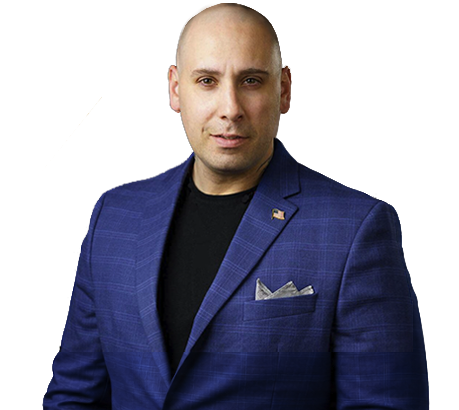
On 14 August 2026 the Securities and Exchange Commission sued Andrew Spaventa of Miller Place, New York, and three entities he owns or controls — The Spaventa Group LLC, TSG Capital Advisors LLC and TSG Alpha Partners LLC — in the Southern District of New York. The complaint, docketed 1:26-cv-06958, alleges that between December 2020 and June 2025 they raised more than $74 million from more than 800 mostly retail investors for eleven private funds sold as a way to own shares before a public offering.
The complaint does not allege the companies were invented. What it says was manufactured is the price. Investors paid on average about 46 per cent more than Spaventa's own entities had paid, the complaint alleges, and it says that difference was an undisclosed upfront fee. They had been told, it alleges, that they would pay none, or at most 12.5 per cent. Those fees came to approximately $23 million, the complaint says: approximately $12 million to sales agents as commissions, and approximately $4 million the SEC alleges Spaventa took personally and spent on a home, a renovation, travel and luxury cars. More than 100 of them were retirees, the complaint says, and most have not recouped their money.
The funds never bought the shares
The funds, the complaint says, never bought the shares themselves. Two entities Spaventa wholly owned — The Spaventa Group and TSG Invest Ventures LLC — bought them first and sold them to the funds at a higher price. That difference sat inside the per-unit price of the fund interests, so the buyer could not see the fee in the price.
Because Spaventa controlled both seller and buyer, the complaint says, these were principal transactions, which under Section 206(3) of the Advisers Act require notice and written client consent. It alleges he obtained none, and that no board or third party judged whether the purchases served the funds.
Then the layer underneath. The complaint alleges those two entities acquired over 90 per cent of the funds' securities through other pre-IPO funds, not from company rounds or existing shareholders. So the investor paid the defendants' fees and the fees those vehicles had already added: two sets of markups in one price. Fund 1's money went in part into StraightPath Venture Partners, itself charged by the SEC with hidden markups and now in receivership, its principals sentenced in May 2026 to between eight and eleven years.
Priced from the margin
The complaint alleges prices were set from revenue and margin targets, not from any valuation. Spaventa's own October 2023 email is the strongest evidence.
"in order to maintain a 20% margin", the Fund "must charge at least 25% over purchase price."
The average markup was about 46 per cent, the per-fund range approximately 27 to 91 per cent. From the complaint's table:
- VIA Motors, Fund 2: acquired at $10.50, sold at $20.00, a 91 per cent markup
- SpaceX, Fund 2: $595.00 to $975.00, 64 per cent
- Anthropic, Fund 8: $32.62 to $41.53, sold at $58.50, 41 to 79 per cent
- Perplexity AI, Funds 10 and 11: $340.72 to $389.00, sold at $495.00, 27 to 45 per cent
Against that, the disclosure. The memoranda for Funds 1 and 2 said there were no fees other than carried interest; markups there ran from 35 to 91 per cent. Funds 3 to 9 disclosed a one-time charge of 12.5 or 7.5 per cent and said there were no others; markups ran from 29 to 79 per cent.
More than 100 agents, the complaint says, cold-called purchased lead lists from New York and New Jersey offices, and could not disclose the acquisition prices because, it alleges, they were not given them. The handbook quoted in the complaint gave them a line: "Unlike other firms, we have no hidden fees."
The filings never stopped
Three things in the public record are not in the SEC's announcement.
The filings kept coming. Form D filings on EDGAR show new TSG vehicles registered after the charged period closed. TSG Select Ventures LLC Series 1 filed on 24 March 2026, reporting $489,911 sold to 15 investors and $43,344 in commissions to TSG Capital Advisors. Series 2 filed on 15 April 2026, and Series 3 on 23 June 2026, seven weeks before the SEC sued. Neither reports any money raised; both record the first sale as yet to occur. Each names Spaventa and sets a $25,000 minimum.
A contradiction sits on the face of the earlier filings. Those made on 5 February 2024 for TSG Secondary Funds 2, 3 and 4 claim Rule 506(b), the safe harbour that forbids general solicitation, while the complaint alleges the funds were sold by cold calls to purchased lists and advertising. Later vehicles claimed Rule 506(c), which permits solicitation but requires reasonable steps to verify accreditation; the SEC alleges none were taken.
The machinery is still switched on. FINRA's records, as pulled on 21 September 2026, show TSG Capital Advisors, CRD 147509, currently registered with the SEC, one self-regulatory organisation and 52 states and territories, and not suspended by any regulator. Spaventa remains recorded as registered with it and with TSG Alpha Partners. The firm's site was live when it was checked the same day, carrying his leadership page, marketing pages for Anduril Industries and Relativity Space, and a guide listing markups on the acquisition price, management fees and carried interest among the ways such vehicles earn.
Record, and what is not
None of the current allegations has been tested. What follows is settled record.
In October 2014 the Florida Office of Financial Regulation denied Spaventa's application to register as an associated person of Salomon Whitney LLC, after a notice of intent alleging a material misrepresentation or misstatement on the application; on the FINRA record he blames a former firm's compliance officer. In September 2019 FINRA suspended him for failing to comply with an arbitration award from a customer complaint, lifting it that December after he paid.
Separately, and about the firm rather than the man: SW Financial, where he was a registered representative until June 2019, was expelled by FINRA in May 2023 over allegations the firm misrepresented its fees on pre-IPO sales.
The complaint also alleges that he raised money for StraightPath's funds while at SW Financial from late 2018, and from May 2020 ran pre-IPO funds through another entity, raising approximately $4.5 million which he invested into StraightPath.
No answer, motion to dismiss or any defence filing appears on the public docket reviewed here; waivers of service were executed on 25 August 2026 and nothing responsive had been indexed. There is no asset freeze, no receiver and no emergency relief, and the complaint asks for none. No parallel criminal charge against Spaventa was found. Whether the named companies knew their shares were sold this way is not addressed; the complaint says only that buying through other pre-IPO funds increased the risk the funds did not own the shares behind the interests. Nothing here has been adjudicated.
One caution on identity: an unrelated Spaventa Andrew of La Jolla, California files Forms 4 as an insider of Singular Genomics Systems. Different person, different story.
More from Money
Eleven pre-IPO funds, more than 800 investors, and the markup the SEC says nobody was told about
A civil complaint filed in Manhattan federal court on 14 August 2026 alleges that Andrew Spaventa and three companies he controls raised more than…
The $34,200 Line That Decides Whether Anyone Looks Inside the House
A mortgage written at or below $34,200 escapes the interior appraisal that federal law otherwise demands, and the figure that draws that line has…
The Federal Reserve ended a bank order it had already handed away
The Board terminated its 2024 enforcement action against United Texas Bank of Dallas this month, months after the bank left Federal Reserve…