
Eleven pre-IPO funds, more than 800 investors, and the markup the SEC says nobody was told about
A civil complaint filed in Manhattan federal court on 14 August 2026 alleges that Andrew Spaventa and three companies he controls raised more than $74 million from over 800 investors while hiding fees inside the share prices they charged.
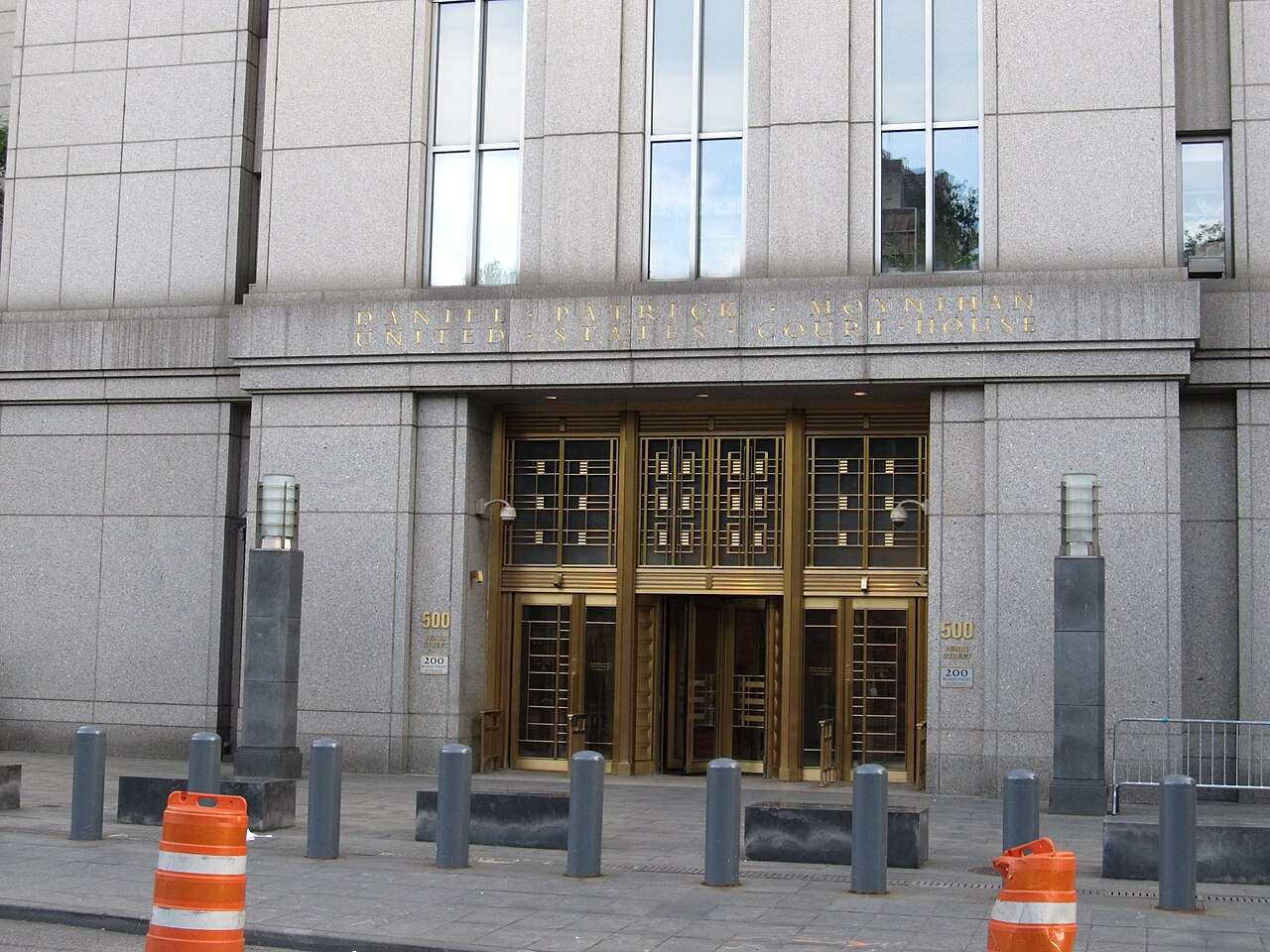
The Securities and Exchange Commission filed a civil complaint on 14 August 2026 in the United States District Court for the Southern District of New York against Andrew Spaventa and three companies he controls, alleging that they raised more than $74 million from more than 800 mostly retail investors for eleven private funds that purported to hold shares in private companies before an initial public offering. The case is docketed as Case 1:26-cv-06958.
Everything that follows is an allegation. No defendant has been found liable, no court has ruled, and the Commission's own release carries its standard caveat that the allegations must be proved in court.
The complaint runs to 46 pages, is signed and dated 14 August 2026 at New York, New York, and carries the footer "Filed 08/14/26" on every page. It ends with one line: "The Commission demands a trial by jury."
What the funds were sold as
The conduct period the complaint sets out runs from approximately December 2020 through at least June 2025. Over that time, it alleges, the defendants collected approximately $23 million in upfront fees. "Spaventa personally enriched himself by at least $4 million from these fees, which he used for personal expenses such as luxury car payments and home renovations," the complaint says at paragraph 5. The same paragraph says the vast majority of fund investors "have not recouped their investments and some have already incurred total or near-total losses".
The selling was done by telephone. "Defendants operated boiler rooms (call center operations using aggressive sales pitches) from which more than 100 'sales agents' over the course of the Relevant Period cold-called and pitched the Funds to thousands of prospective investors, many of them retirees," the complaint says at paragraph 2. The offices were in New York and New Jersey, and agents were typically paid a 10% commission on the capital they raised.
Two figures for those commissions appear on the record, and they measure different things. Paragraph 5 of the complaint puts more than $12 million of the upfront fees as commissions paid to sales agents, and the Commission's press release carries that figure. Paragraph 213 gives a narrower count: approximately $11 million paid to unregistered sales agents in connection with the funds. They are not the same measure, and the filing does not reconcile them.
The markups the complaint sets out
The mechanism alleged is plain. Spaventa bought pre-IPO shares through entities he owned, resold them to his own funds at higher prices, and kept the difference, while offering documents told investors they paid either no upfront fee or at most 12.5%.
Across the eleven funds the complaint puts the average markup at approximately 46% above what Spaventa paid for the underlying shares. Its table, at paragraph 86, gives a per-fund range of 27% to 91% and sets out individual lines. SpaceX shares bought at $595.00 were sold to Fund 2 investors at $975.00, a markup of 64%. VIA Motors went from $10.50 to $20.00, 91%. Epic Games was bought between $1,196.00 and $1,494.47 and sold at $2,250.00, 51% to 88%. Anthropic was bought between $32.62 and $41.53 and sold at $58.50, 41% to 79%. Perplexity AI was bought between $340.72 and $374.08 and sold at $495.00, 32% to 45%.
None of those companies is accused of anything. SpaceX, Anthropic, Stripe, Anduril, Perplexity AI, Kraken, Epic Games and the rest appear only as the underlying shares the funds held. None is a defendant.
The offering documents are where the Commission says the deception sat. Private placement memoranda for Funds 1 and 2 told investors there were no fees associated with the fund other than the carried interest, and confirmation letters listed 0% and $0.00 against several fee categories, while the unit prices those investors paid carried markups of 35% to 91%. Memoranda said affiliates may receive income from selling shares to the funds; the Commission alleges they took it on every sale to every investor, and that for all but the first fund the markup was taken before a single interest was sold. From Fund 3 onward, it says, the memoranda suggested the prices the funds paid reflected the shares' market value, and they did not.
What agents were told to say
The sharpest material in the filing is the scripts. The employee handbook, quoted at paragraph 121, instructed agents to say: "Unlike other firms, we have no hidden fees. Other firms will charge management and due diligence fees to clients, we do not. So the price we tell you is the price of the investment. And upon the liquidity event we participate in profits by taking 20%."
An objections and rebuttals script circulated to agents in February 2023 went further, at paragraph 127: "What separates us from the rest is that we will not rip you off with unnecessary fees. Like I said, no 2% management fee, no 1- 5% due diligence fee, and no hidden fees. And most importantly, we are invested right along side of you. When you make money, we make money. If you don't make money, we don't make money."
Agents asked what the funds had paid for the shares were told, at paragraph 120, to answer: "I'm not sure, but that's not information I'm privy to. Management negotiates pricing and deal terms and then tells us the pricing."
The handbook, at paragraph 214, also told agents never to mention commissions or use the word at all, and to call the payment a referral fee. Other scripts projected returns with no basis: an October 2021 Kraken script had units rising from $88 to $250 after a public offering, and an Anduril script told agents to tell hesitant investors the firm had been returning between 200% and 1,000% to its clients. On a recorded call in February 2022, an agent told a prospective Fund 2 investor they were down to the last few units while the firm held more than 5,000 Kraken units. A whitepaper claimed the firm had invested in Airbnb, Palantir and SoFi; the complaint states it had not.
"Unsolicited calls and high-pressure sales tactics are the calling cards of so-called boiler room operators. They get you on the phone and then hit you with the hidden fees. We encourage investors to be vigilant when it comes to these types of tactics." — Sheldon L. Pollock, Associate Director of the Commission's New York Regional Office
What is claimed, and what is not on this record
Spaventa is 40 and lives in Miller Place, New York. He is founder, chief executive and sole owner of The Spaventa Group LLC and holds Series 7, 24 and 65 licences. Between March 2013 and June 2019 he was a registered representative at four Commission-registered broker-dealers, and FINRA suspended him in September 2019 over an unpaid arbitration award, lifting it that December after he paid. None of the eleven funds was registered with the Commission, and no registration statement was in effect for any of the securities sold.
Twelve claims for relief are pleaded under the Securities Act, the Exchange Act and the Advisers Act, covering fraud, unregistered offers and sales, and acting as an unregistered broker. The Commission seeks permanent injunctions, a bar on Spaventa associating with any broker, dealer or investment adviser, disgorgement on a joint and several basis with prejudgment interest, and civil money penalties.
No answer, motion or public statement from Spaventa or any of the three entities was located. The complaint is one-sided by construction, and the other side is absent from the record as filed. This is a civil enforcement action only, and no parallel criminal charge against him or the entities appears in the release or the complaint. Investor losses are characterised rather than counted, and there is no aggregate figure. No investor is named. The complaint as filed carries no judge's initials, so the assigned judge is not on this record.
Every dollar figure above is the Commission's own computation, and every statement of what the defendants did is an allegation the Commission has yet to prove.
More from Money
The $34,200 Line That Decides Whether Anyone Looks Inside the House
A mortgage written at or below $34,200 escapes the interior appraisal that federal law otherwise demands, and the figure that draws that line has…
The Federal Reserve ended a bank order it had already handed away
The Board terminated its 2024 enforcement action against United Texas Bank of Dallas this month, months after the bank left Federal Reserve…
A $9 million military lending settlement, and redress that has not arrived
FirstCash agreed in July 2025 to set aside five million dollars for servicemembers the Bureau says were charged above the military rate cap, and the…