
English Mayors Are Getting an Uncapped Tourist Tax and 130 Million Overnight Stays to Levy It On
The charge will apply to hotels, guesthouses and holiday lets, will not be limited by central government, and lands in a year when accommodation prices have already risen.
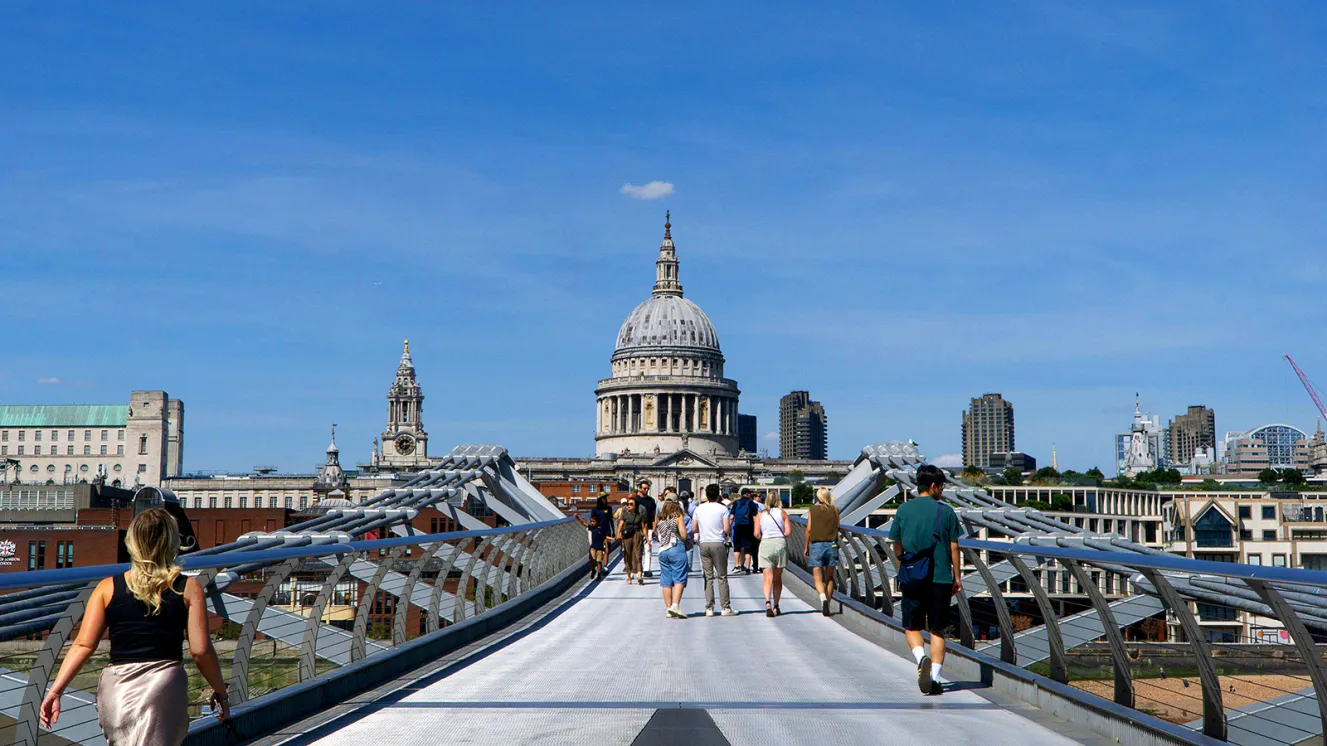
English mayors are to be handed the power to charge a percentage of the total bill on overnight stays, a levy first announced last year and now taking shape.
It will apply to anyone staying overnight in a hotel, in a bed and breakfast or guesthouse, or in a holiday let booked through a platform such as Airbnb. All visitors pay it, regardless of nationality or reason for travel, and it will most likely appear on the final bill as a separate line.
The charge is uncapped. Leaders in English towns and cities decide their own rate, though the expectation is that it will not exceed 5 per cent. Revenue goes to local projects, with mayors choosing how to invest it.
The base it applies to
The scale is what makes this consequential rather than symbolic. England has more than 130 million overnight stays a year, and all of them would be liable once the charge is introduced.
At 5 per cent on a hundred-pound room, that is a fiver a night across a very large number of nights.
All visitors, regardless of nationality and reason for visit, will have to pay it

Britain is late rather than unusual
Tourist taxes are not a novelty, and British travellers have been paying them abroad for years.
Edinburgh began charging overnight visitors in July. City taxes are long established across Europe, familiar to anyone who has stayed in Spain or Italy, and Venice's version has been widely publicised. Several American states operate them too.
The mechanism is consistent wherever it appears: a modest extra charge added to a hotel bill, feeding local coffers to fund things like public transport. In most places it is small enough that visitors do not particularly register it at checkout.
There is one structural gap that every version of this shares. Tourist taxes are difficult to levy on day trippers, simply because there is no bill to attach them to, which means the burden falls entirely on people who stay the night. In cities whose congestion problem is overwhelmingly caused by visitors who arrive and leave the same day, that is an awkward mismatch between who causes the cost and who pays for it.

The timing is the argument
The levy arrives when holiday costs are already elevated, at home and abroad.
The Post Office Family Holiday Report this year found that the cost of eating out and attractions in some European resorts had risen by more than 20 per cent on the previous year. Visit Britain's latest accommodation data recorded a 5 per cent year-on-year increase in July.
So a charge of up to 5 per cent lands on top of a base that has already moved by roughly the same amount, which is the substance of the objection the hospitality industry will make.

What mayors actually gained
The detail worth watching is not the rate. It is the absence of a cap.
Central government has devolved both the power to levy and the power to set the level, which makes this one of the more meaningful fiscal tools English mayors have been given. The 5 per cent expectation is a convention rather than a limit, and conventions of that kind tend to hold only while the local finances are comfortable.
The other half is discretion over spending. A mayor who can raise money from visitors and direct it at local projects has something most English local leaders have not had: a revenue stream they control, generated by people who do not vote in their elections.
That combination is what will determine whether this stays at 5 per cent.
More from Money

The Five Things a Trading Platform Has to Do Before Skill Starts Mattering
Access to global markets is the easy part; the tools bolted to that access determine how well anyone can read a price and control a loss under real…

Three Tax Savings Investors Miss Because Their Adviser Was Never Trained on Tax
Almost every financial decision carries a tax consequence, and a great many advisers hold no credential that covers it.