
When One Sibling Does All the Caring, Geography Gets Blamed for a Choice
The resentment felt by the adult child who lives nearest is entirely reasonable, and the way out of it is a specific conversation rather than a fairer world.

It is one of the most common family arrangements there is, and almost nobody agreed to it. Parents reach their late eighties and begin needing real support. One adult child lives in the same city. The others moved abroad decades ago. The care falls, without discussion, to whoever is closest.
The sibling carrying it is usually also juggling a job and children. The resentment that follows is not a character flaw. Geography has made one person the default carer, and that is unfair, because it is unfair.
But resentment is a poor instrument for changing the arrangement, and it tends to prevent the thing that would.
The question worth asking yourself first
There is an uncomfortable pattern that often sits underneath this, and it is worth checking for before blaming anyone.
Are you someone who finds it difficult to ask for help, and then resents people for not offering it?
If so, this is the moment to break the habit. Ask clearly. Ask again if the first attempt goes nowhere. What does not work is suffering quietly and accumulating a grievance, because the siblings abroad are not receiving any signal at all.
They may genuinely not understand how overwhelmed you are. They may understand perfectly, feel guilty, and avoid the subject for exactly that reason. Neither resolves without somebody saying it out loud.
Geography has made one person the default carer, and that is unfair, because it is unfair
Distance does not exempt anyone from the work
The most useful reframing is that a great deal of caring is administrative, and administration travels.
Write down everything currently being done, then mark which tasks actually require a body in the room. The list that remains can be done from anywhere:
- Ordering groceries online and arranging delivery
- Booking medical appointments and chasing prescriptions
- Researching care options
- Handling insurance paperwork
- Managing bills
- Co-ordinating with other family members
Divide those up and hand them over. A sibling in another country cannot drive a parent to hospital. They can absolutely spend an hour a week on the phone to a pharmacy.
Have the conversation directly rather than accusingly, and be specific about what you need. A general appeal for more help produces sympathy. A named list of tasks produces tasks being done.
Why it lands on the same person every time
Birth-order research offers some explanation, and it is more useful as a conversational tool than as consolation.
The sibling living closest usually becomes the primary carer, which is intuitive. Less intuitively, eldest children, and eldest daughters in particular, tend to take on disproportionate responsibility regardless of where they live.
So where you fall in the order matters. An eldest child may have occupied this role unconsciously for their whole life, long before anybody needed care. A youngest may find their siblings still regard them as the baby of the family, and fail to register either their capacity or their burden.
Naming that dynamic is often what makes it possible to explain why the current arrangement does not work, without the conversation becoming a list of accusations.
Look outside the family too
The other question worth putting to distant siblings is financial rather than practical.
There may be care services, volunteers or community resources that would take weight off. Some of that costs money. A sibling who cannot contribute time can often contribute funds, and asking them to is not unreasonable.
The part that is finite
The last piece of advice is the one that sounds like an extra burden and is not.
The exhaustion is real, and so is the loss, which is frequently overlooked: the person doing the caring is also watching a parent decline at close range, daily.
But the time is limited, and some of it can be converted. Half an hour a week, recorded. Ask them about their lives, their memories, their regrets, the things they were proudest of. This is not an addition to the to-do list. It is turning time already being spent into something other than logistics.
There is a compensation in all this, and it is not nothing. The person doing the caring is building memories and deepening a relationship in a way the siblings abroad cannot. When the parents die, that person is unlikely to have regrets. The others may.
It does not cancel the exhaustion. It is still worth knowing.
More from Lifestyle

Four New Insect Species Have Been Named After Taylor Swift, and One Is Called Poetorum
A doctoral student at Riverside spent years identifying specimens that had sat in a drawer since the early 2000s, and named the genus she found…
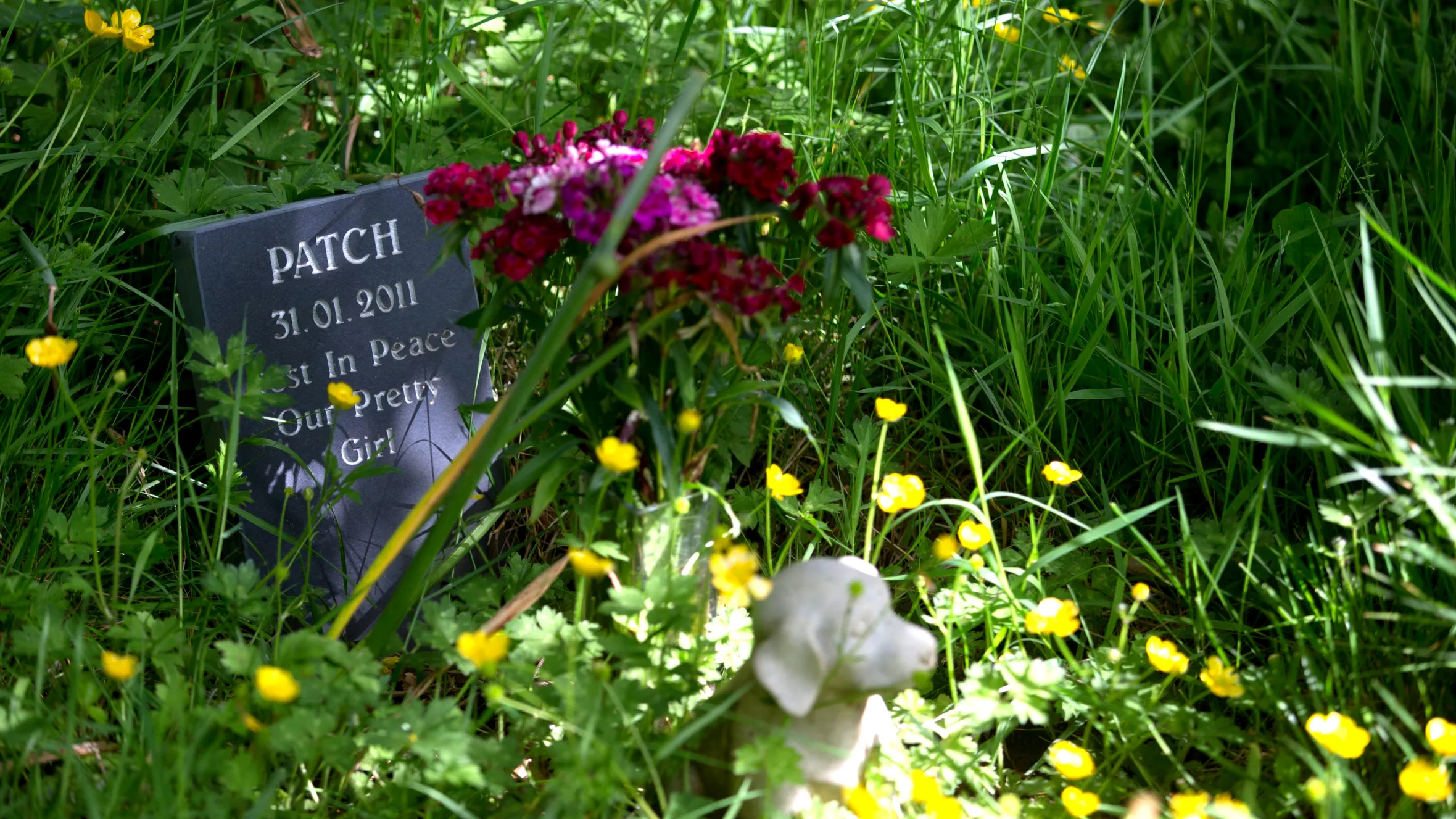
How to Prepare a Child for a Funeral, Starting With Not Saying Passing Away
Young children need something tangible to understand what has happened, and the gentle language adults reach for is usually the thing that confuses…

The Mistake Parents Make About Reading Is Telling Children It Is Good for Them
A children's author who spent eight years teaching says books have to compete as entertainment, and that pitching them as self-improvement guarantees…