
Three People Died at Burning Man This Year, and the Cause of None of Them Is Known Yet
The gathering's fortieth year drew more than 60,000 people to the Nevada desert, and the deaths of three men across three consecutive days have defined the coverage of it.
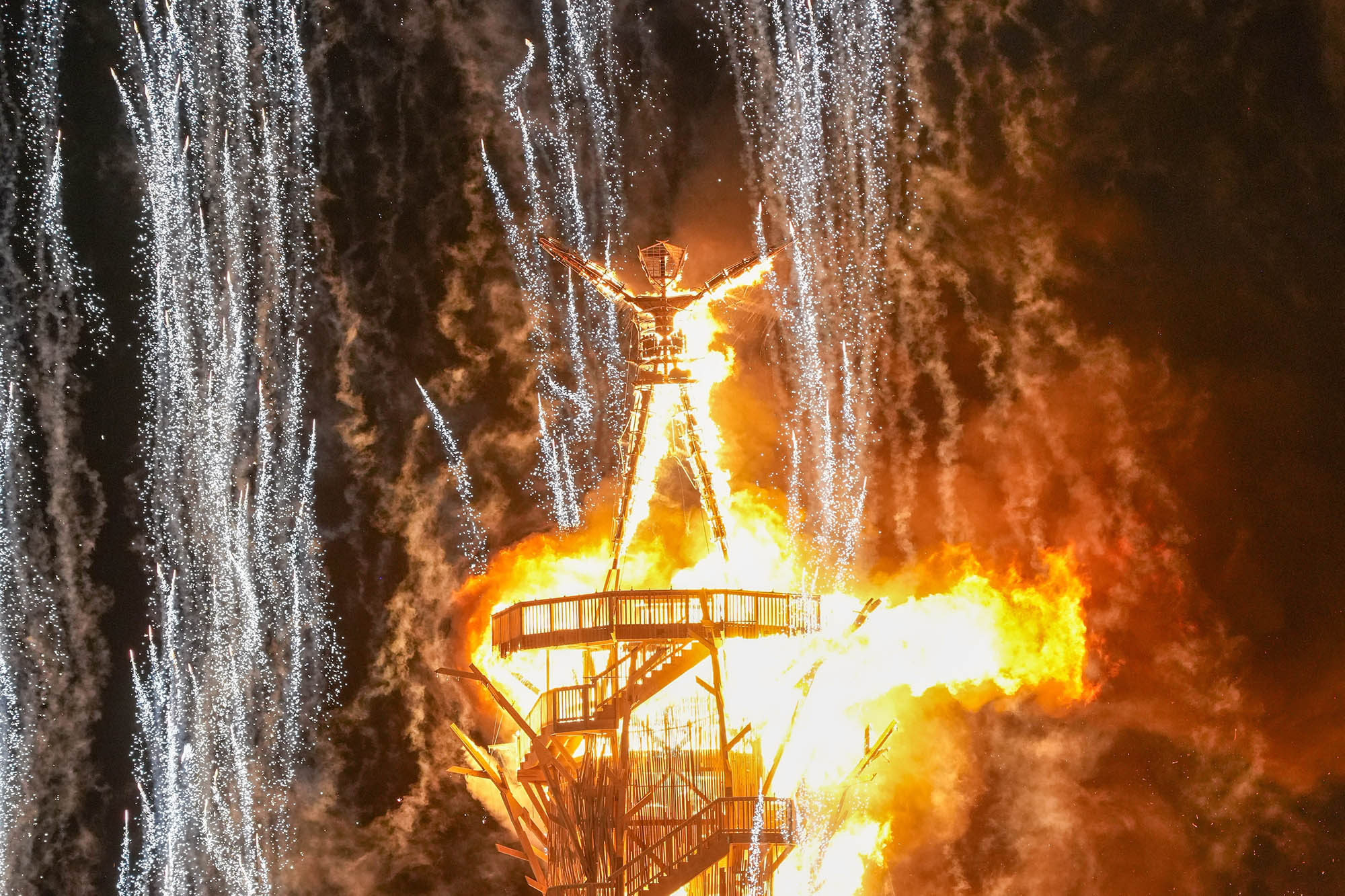
Burning Man closed this week. In its fortieth year it brought more than 60,000 people to a stretch of desert roughly a hundred miles outside Reno, where they built a temporary city, made and shared art, and burned a forty-foot wooden figure on the final night.
Three men who went did not come home.
What is known
On Thursday, September 3, Sampson Tshombe, who was in his mid-fifties, was found unresponsive on the streets of Black Rock City. Medical personnel administered CPR. A doctor pronounced him dead at the scene. Attendees who knew him have described him as incredibly gracious and a genuinely good man.
The following day, September 4, Armando Ramirez, 51, died in an ambulance on the way to a hospital in Reno.
On Saturday, September 5, at about three in the afternoon, a 60-year-old man named Craig Mann was found dead in his camp.
No cause of death has been released for any of the three. Foul play is not suspected in any case. All three are undergoing autopsies and toxicology screening, which typically take several weeks. Requests for comment to the Pershing County sheriff and to the Washoe County coroner's office, which covers Ramirez's death, went unanswered.
Organisers issued a statement. They are deeply saddened whenever the community experiences a loss, it read, and extend their condolences to the families, friends and campmates affected.
What had begun as a strange desert expedition became the vacation of choice for the emerging Silicon Valley elite
Forty years from a beach in San Francisco
The scale of the thing is the context for everything else about it.
It started in 1986 with a few dozen people on a San Francisco beach and an eight-foot effigy. It acquired its name in 1988 and moved to Nevada two years after that.
By 1996 it was on the cover of a national magazine and had begun drawing a markedly wealthier crowd. John Law, one of its founders, described the shift bluntly in a recent essay. What had begun as a strange desert expedition, he wrote, became the vacation of choice, and eventually something close to a required pilgrimage, for the emerging Silicon Valley elite.
That same year brought the first death, when a 37-year-old San Francisco artist named Michael Furey drove a motorcycle into a parked van.
The arithmetic that attendees keep pointing out
A dozen people in total have died attending the gathering, including the three this year. Most of those deaths were accidents: falls from structures, overdoses, suicides, and pre-existing conditions such as asthma.
Regular attendees have made the same argument repeatedly this week, and it is not callousness. A temporary city of 60,000 people, in a desert, for a week, will produce a mortality figure. A town that size anywhere in the United States would.
That is true and it is also incomplete. It explains why deaths occur without explaining these three, and the explanations for these three do not exist yet. They exist in toxicology reports that will take weeks.
The one that was different
Last year produced something the gathering had not seen before.
Vadim Kruglov, 37, was stabbed to death on the final night, while the figure burned. A Russian emigre living in Washington State, he was attending for the first time and had built an art installation at his camp. A friend described it as a big heart that seems to have taken its wounds, made them part of the art, and closed the circle of the experience.
His death remains under investigation. Organisers say they are in close contact with the sheriff's office.
What the week actually was
For most of the people there, by their own accounts, this was an ordinary and very good year. The city went up, the art got made, the figure burned on schedule.
Three families are waiting on a laboratory. Both of those things are true about the same week, and the second does not become less true because the first is.
More from Lifestyle

Four New Insect Species Have Been Named After Taylor Swift, and One Is Called Poetorum
A doctoral student at Riverside spent years identifying specimens that had sat in a drawer since the early 2000s, and named the genus she found…
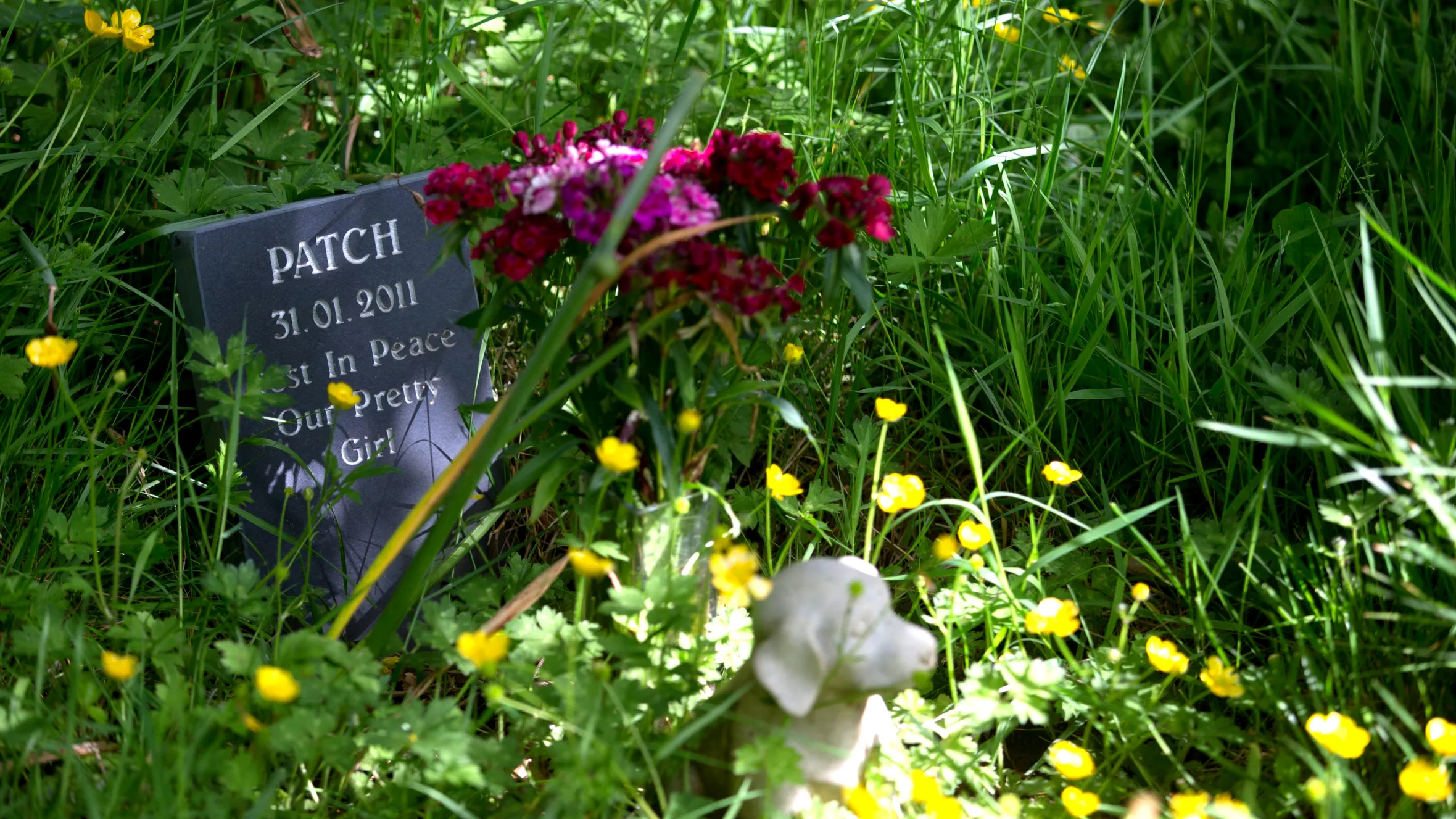
How to Prepare a Child for a Funeral, Starting With Not Saying Passing Away
Young children need something tangible to understand what has happened, and the gentle language adults reach for is usually the thing that confuses…

When One Sibling Does All the Caring, Geography Gets Blamed for a Choice
The resentment felt by the adult child who lives nearest is entirely reasonable, and the way out of it is a specific conversation rather than a…