The Mistake Parents Make About Reading Is Telling Children It Is Good for Them
A children's author who spent eight years teaching says books have to compete as entertainment, and that pitching them as self-improvement guarantees the loss.
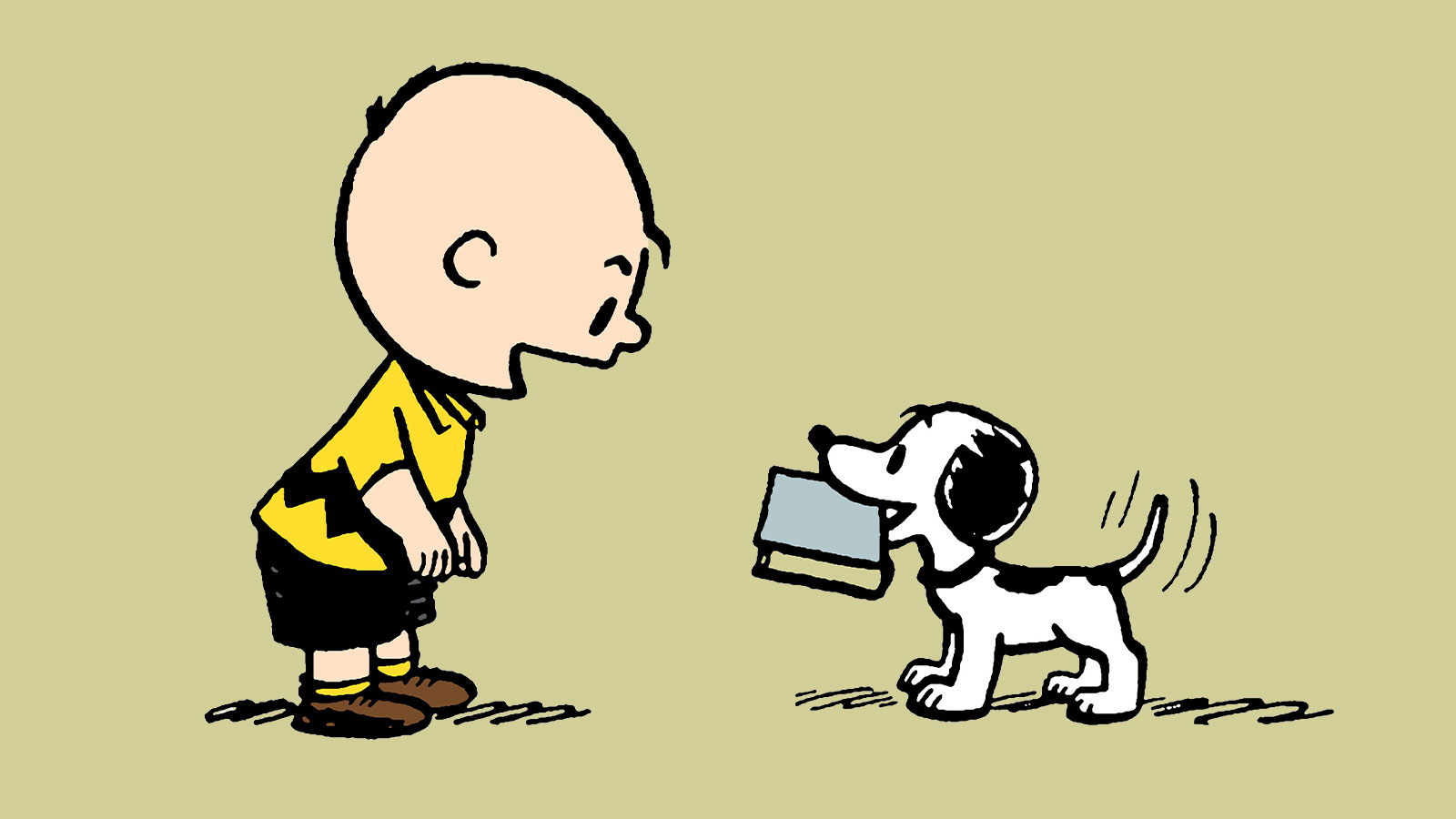
The proportion of children reading for pleasure is falling. Smartphones, the disruption of Covid and the shape of the curriculum are all contributing, and reversing it is proving genuinely difficult.
The stakes are not only cultural. The author Katherine Rundell has described reading as a silver bullet for childhood happiness, and a love of reading in childhood is also a predictor of later economic success.
Which leaves a great many parents who did everything correctly, filled the house with books, read aloud every night, and now have teenagers who will not open one.
The first mistake
Ross Montgomery has published more than thirty books for children, spent eight years as a primary school teacher, and had I Am Rebel named Waterstones Children's Book of the Year in 2024. He goes into schools regularly.
His diagnosis is about how adults make the case.
"I think the first mistake we make when we talk to children about reading is that we focus on the positive benefits," he says. "We tell them it will make them smarter, healthier, happier."
Then the comparison that makes it land.
"It's like vegetables. You don't get children eating vegetables by saying how good they are for them. You have to be devious, you have to show them that vegetables are delicious."
The same applies to books. "Children don't want to spend the few minutes of freedom they have every day bettering themselves. Books have to be fun, they have to be entertainment. Think about what they are competing with."
Marvellous alternative universes that are found, not forced
Work with the attention span, not against it
Montgomery has watched attention spans erode in classrooms directly, and his response is not to lament it.
"I think that's something we have to cater for rather than fight against," he says. He has made his own books shorter.
That is an unusual concession from a writer, and a practical one. A child who finishes a short book has had the experience of finishing a book. A child who abandons a long one has learned that reading is something they fail at.
Offer, do not prescribe
The method he recommends is to stop being prescriptive and start responding to the particular child in front of you.
"Think about what they like, what they are already interested in," he says. "And then literally get a book of that."
That means treating comics, graphic novels, novelisations of television shows and books about bodily functions as legitimate entry points rather than as things to be tolerated on the way to real reading.
"Once you've got them, once they realise that reading is enjoyable, then you can build on it, bit by bit."
The trap of your own childhood
The most common parental error is the most affectionate one: pressing on a child the books you loved at their age.
It rarely works, because the appeal of those books was partly that you found them. A book handed over with an expectation attached arrives as homework.
Booksellers are an underused resource here, and considerably better at matching a specific child to a specific book than an algorithm or a parent's memory.
The underlying principle is simple enough to hold onto. Books are about choice. They are alternative worlds that get found rather than forced, and there is one out there for every child, including the one currently insisting they hate reading.
It is also worth saying what this advice quietly rules out, because a great many households have tried it. Paying children to read does not work. Neither does a reading chart, a nightly quota, or any arrangement in which finishing a book produces a reward, because all of them confirm the thing the child already suspects: that this is a task being extracted from them rather than something anybody would do voluntarily.
The parent modelling it helps more than any incentive, and even that only if the modelling is genuine. Children are extremely good at spotting an adult performing enjoyment at them.
More from Lifestyle
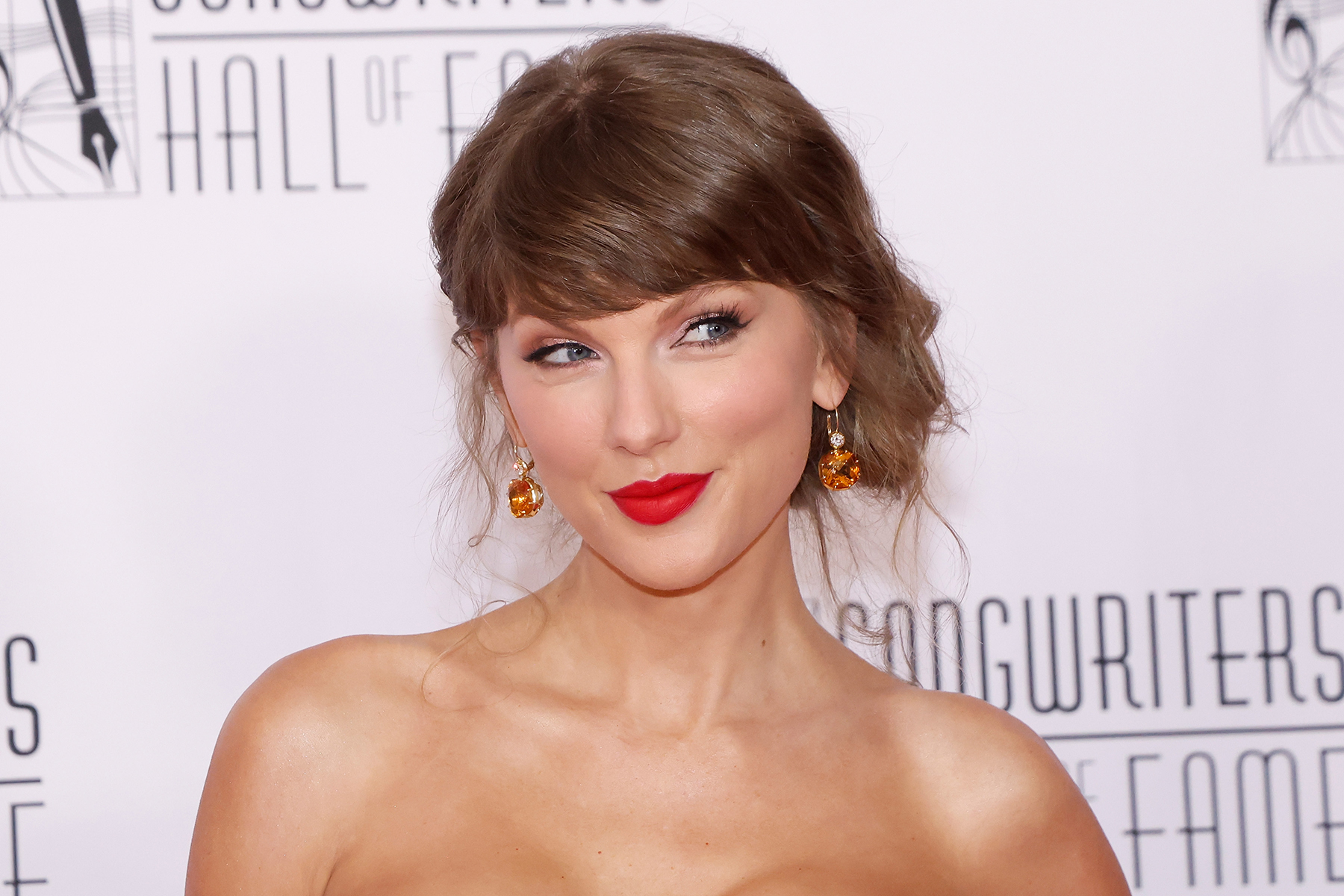
Four New Insect Species Have Been Named After Taylor Swift, and One Is Called Poetorum
A doctoral student at Riverside spent years identifying specimens that had sat in a drawer since the early 2000s, and named the genus she found…
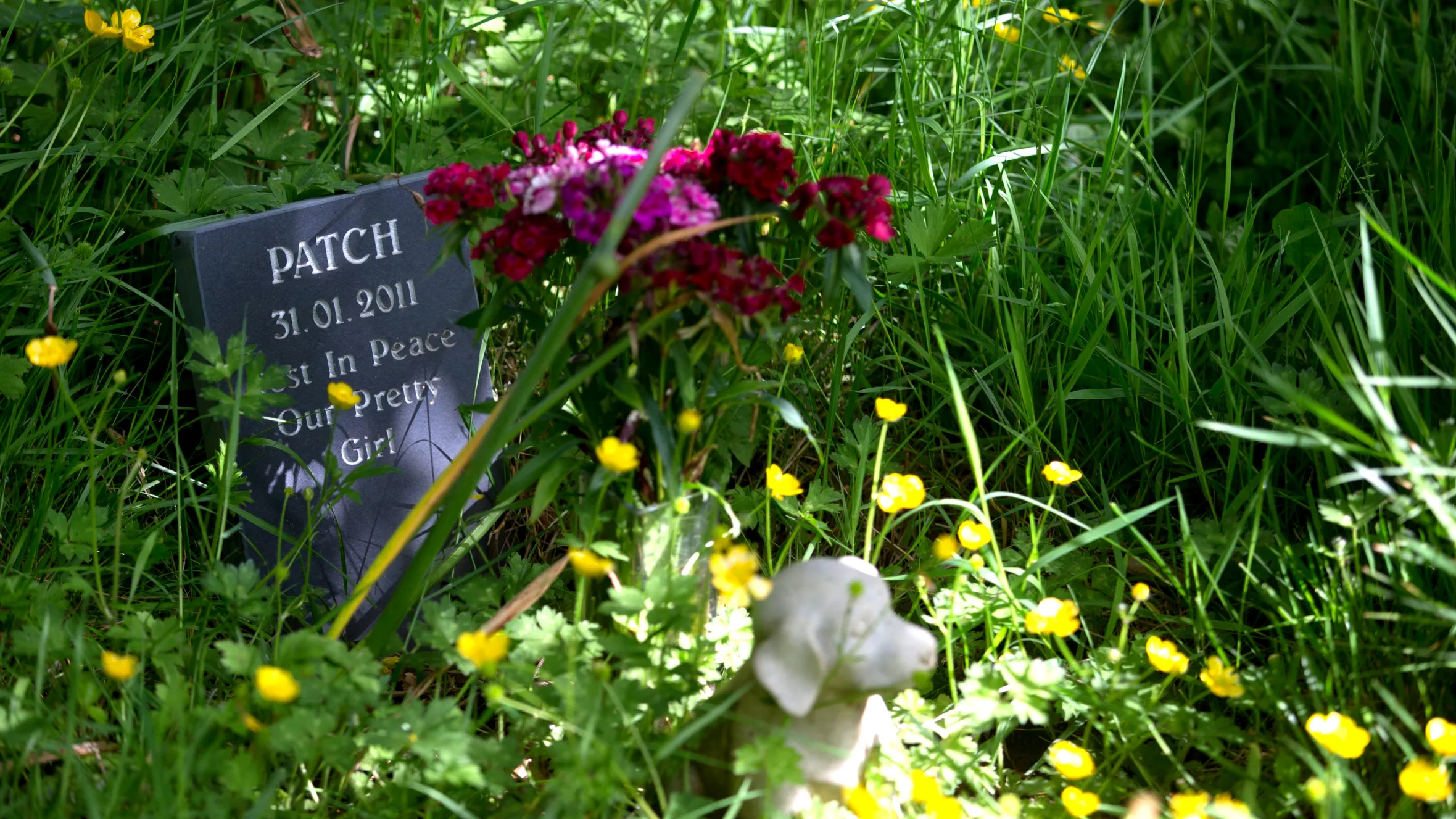
How to Prepare a Child for a Funeral, Starting With Not Saying Passing Away
Young children need something tangible to understand what has happened, and the gentle language adults reach for is usually the thing that confuses…

When One Sibling Does All the Caring, Geography Gets Blamed for a Choice
The resentment felt by the adult child who lives nearest is entirely reasonable, and the way out of it is a specific conversation rather than a…