
Five Days of Silence in Bali, and the First Two Are Genuinely Unpleasant
The Four Seasons at Sayan has built a silent retreat around its own guests, and the hardest part is not the meditation, it is the first forty-eight hours after they take the phone.
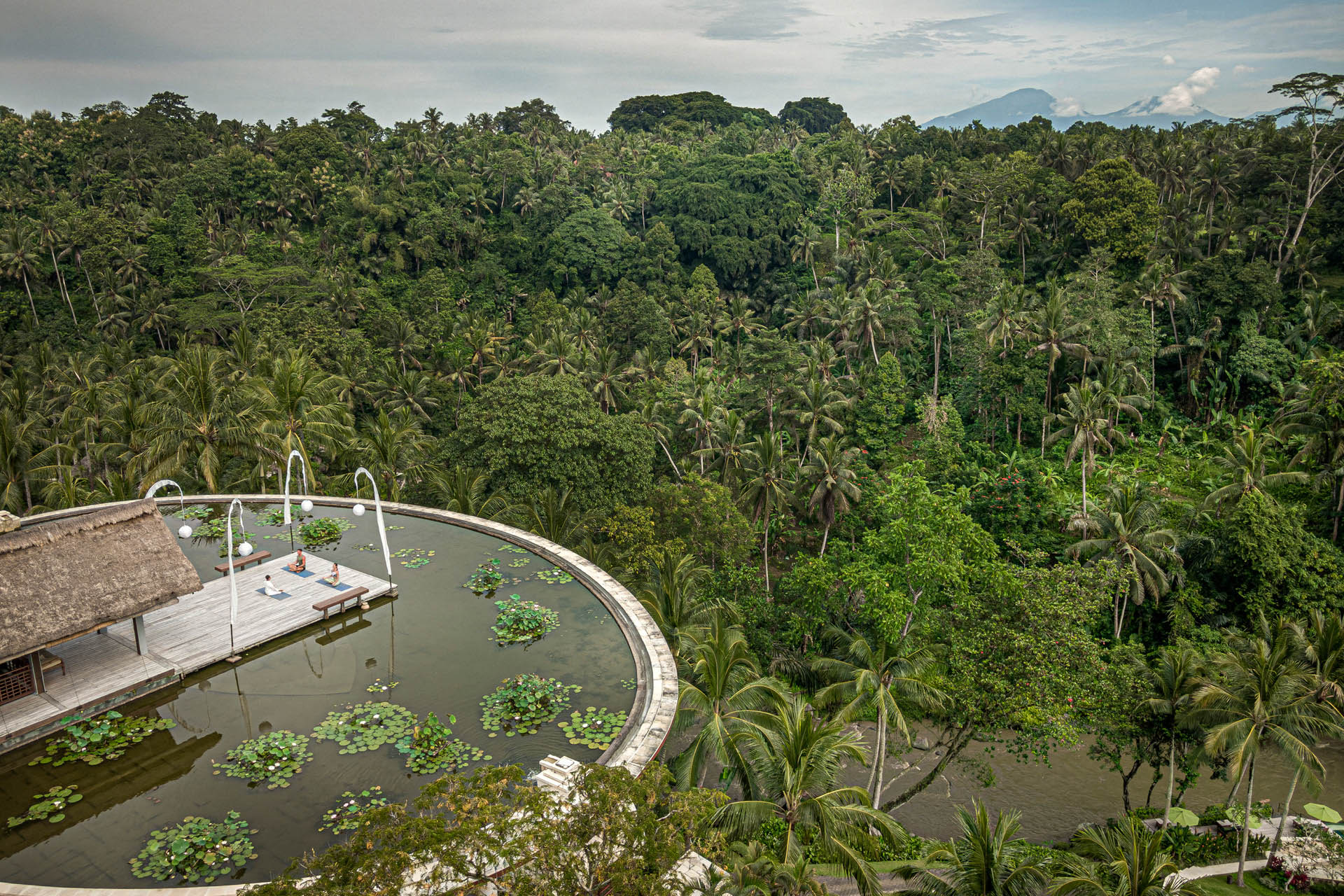
The idea arrived as an offer and produced two solid minutes of laughter before it produced a yes. Five days on Bali, in complete silence, entirely cut off. For anyone whose nervous system is comprehensively shot, whose day is an unbroken sequence of demands and notifications all presented as urgent, that sounds less like an ordeal than the most extravagant luxury available.
The retreat at the Four Seasons Resort Bali at Sayan is the first the hotel has organised itself. There is a precedent of sorts. A duty manager recalls a group of tourists arriving a couple of years ago carrying notepads and pens, writing to the staff that nobody was permitted to speak to them.
Silence, with a Four Seasons bent
The removal is thorough and slightly theatrical.
The phone is taken on arrival. The television has already been lifted off the wall before you get to the room. If you are the sort of person who might smuggle in a second device, the wifi router is unscrewed and decommissioned.
Ubud is minutes away geographically, a dense scramble of mopeds and people in roughly that order, and you will see none of it. Almost the entire five days is spent in three places: the room, a yoga dharma, and the newly renovated Sacred River Spa.
That is a narrower world than it sounds. The room is enormous and has a private infinity pool. The dharma is bright and open. The spa does long, unhurried treatments that leave you in a state of pleasant grogginess. As confinement goes, there are worse arrangements.
Relinquishing a phone feels, at first, like losing a frontal lobe

The part nobody warns you about
None of that prevents the initial panic, which is specific and entirely predictable.
What if the children get ill. What if an important work request goes unanswered. What if something happens in the world.
Phones have become the point of contact with everything. They are how you reach people and how you check the weather. They are torches and clocks and stopwatches and the thing a child hands you to look up a fact about an animal. Handing yours over feels, for the first day or so, like losing part of your own head.
The schedule is designed to give that feeling somewhere to go. A one-to-one kundalini yoga class at 6.30 each morning. Spa treatments at two in the afternoon. Meditation at 5.30. Breakfast delivered to the room at seven, lunch at midday, dinner at 7.30, all of it small and vegan.
Buggies carry you between activities, which is partly hospitality and partly containment: it stops you wandering the grounds and talking at people. The in-room dining team, meanwhile, has been instructed to ignore any desperate late-night request for a cheeseburger.

The hours in between
Even with that structure, an enormous amount of time is left over, and this is where the actual work happens.
The setting is not the problem. The windows open onto the Ayung valley, which is loud with birds and insects and lizards and green in a way that is difficult to photograph. The problem is that there is nothing like several days alone to establish, conclusively, what poor company you are.
The team had anticipated this. Alongside the schedule they supplied a book on meditation and an extremely large painting-by-numbers canvas, which is a more perceptive piece of programming than it first appears. A silent retreat does not need you to achieve enlightenment. It needs you not to spend eleven waking hours a day inside your own commentary.

Where it sits among the alternatives
Silent retreats cover a considerable range of discomfort. Vipassana runs ten days of serious meditation and, by most accounts, a lot of crying. There are three-day retreats in Poland conducted in total darkness, where the crying is undocumented but probable.
This one takes place on an extremely beautiful island in one of the better hotels in the world, which changes the proposition. The silence is real, the deprivation is real, and the discomfort of the first two days is real. What has been removed is the martyrdom.
Whether that makes it a lesser version of the exercise or simply a survivable one is a question worth arriving with. By day three, it stops feeling like a question at all.
More from Lifestyle

Four New Insect Species Have Been Named After Taylor Swift, and One Is Called Poetorum
A doctoral student at Riverside spent years identifying specimens that had sat in a drawer since the early 2000s, and named the genus she found…
How to Prepare a Child for a Funeral, Starting With Not Saying Passing Away
Young children need something tangible to understand what has happened, and the gentle language adults reach for is usually the thing that confuses…

When One Sibling Does All the Caring, Geography Gets Blamed for a Choice
The resentment felt by the adult child who lives nearest is entirely reasonable, and the way out of it is a specific conversation rather than a…